



If your dog struggles with tartar buildup, you have probably searched for the “best” dental chew hoping to find something that will keep their teeth clean and their breath fresh. With so many products available, it can be overwhelming to know which ones actually help and which ones are simply clever marketing.
From our experience working with thousands of pets through professional no sedation dog and cat teeth cleaning, we have learned that dental chews can be a valuable part of your dog’s oral care routine, but they are not a magic solution.
The best dental chew is one that your dog will actually use, is safe for their teeth, and provides real dental benefits beyond just being a tasty treat.
How Do Dental Chews Help Clean a Dog’s Teeth?
The biggest benefit of dental chews comes from the mechanical action of chewing.
When a dog chews, the texture of the chew rubs against the surface of their teeth, helping remove some soft plaque buildup before it has a chance to harden into tartar. Chewing can help your dog “brush” their own teeth while also providing mental stimulation and enrichment.
For many dogs, chewing is naturally enjoyable. A dental chew, textured toy, or enrichment activity can help keep them busy while supporting their oral health.
However, not all dogs benefit the same way.
A dog’s breed, age, genetics, diet, and individual oral health can all affect how quickly plaque and tartar develop. Some dogs naturally build up plaque much faster or develop more stubborn tartar than others. This means dental chews should be viewed as one part of a complete dental care routine—not the only solution.
The Biggest Mistake Owners Make With Dental Chews
One of the most common mistakes we see is owners relying only on dental chews to solve their dog’s dental problems.
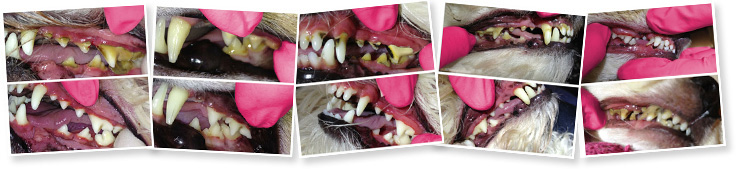
Dental chews are excellent for prevention and maintenance, but they cannot remove tartar that has already hardened and become cemented onto the teeth.
Once tartar has built up, especially around and below the gum-line, it requires professional attention to properly remove it.
Another mistake is choosing the hardest chew possible because it lasts longer.
Many owners think, “The longer my dog chews, the better it must be.” However, extremely hard chews can create unnecessary risks. Antlers, Himalayan cheese chews, and other very hard products may be long-lasting, but strong chewers can potentially crack, break, or damage their teeth.
A good daily dental chew should have enough texture to provide cleaning benefits without being so hard that it puts your dog’s teeth at risk.

What Should You Look For in a Dental Chew?
When choosing a dental chew, we recommend looking beyond the packaging and marketing claims.
A quality dental chew should consider:
1. The Texture
The chew should provide enough resistance to create friction against the teeth but still have some flexibility.
A chew that is too soft may provide little mechanical cleaning benefit, while a chew that is too hard may damage teeth.
2. The Ingredients
Look for products that include ingredients with actual oral health benefits—not just ingredients added for marketing.
For example, Crumps Plaque Busters uses finely ground oyster shells designed to support the removal of plaque and tartar buildup. Its reformulated texture is designed to be less brittle and more flexible, reducing the chance of sharp edges during chewing.
Another option many owners explore is ProDen PlaqueOff, which uses A.N ProDen®, a natural organic kelp ingredient. It is available in powder, treats, and dental chew forms and is designed to support oral health by helping reduce plaque and tartar buildup over time.
3. Your Dog’s Personality
The “best” dental chew depends on your dog.
Some dogs love bully sticks or dental toys. Some dogs refuse anything unfamiliar. Some dogs dislike having their food changed with powders or additives. Others become stressed or frustrated with traditional toothbrush and toothpaste routines.
The most effective dental care routine is the one your dog will consistently participate in.
A Real Example: Finding an Alternative to Tooth Brushing
One owner we worked with was struggling because their dog would fight the toothbrush every time they tried to brush their teeth. The daily routine became stressful for both the owner and the dog.
Instead of forcing a method that was not working, we recommended trying a different approach.
We suggested using PlaqueOff along with a textured toy and adding a small amount of peanut butter or another dog-safe spread to encourage chewing and engagement.
The results were immediate because the owner was able to create a dental routine that their dog actually enjoyed. The dog no longer needed to battle through traditional tooth brushing, and the owner finally had a realistic way to support their pet’s dental health.
This is an important reminder: sometimes the best dental care method is not the one that works on paper—it is the one that works for your individual dog.
Dental Chews Are Not a Replacement for Professional Cleaning
While dental chews are a great preventative tool, they cannot replace professional dental care.
Once plaque hardens into tartar, especially tartar that has accumulated along the gum-line, a chew will not remove it.
Dental chews work best as part of an overall maintenance plan alongside professional cleanings. Professional cleaning helps remove existing buildup, while daily chewing habits help slow future plaque accumulation.
Our professional no sedation dog and cat teeth cleaning service focuses on preventative oral care by carefully removing plaque, tartar, and calculus from tooth surfaces, including just beneath the gum-line, for suitable pets.
Remember: Every Dog Is Different
There is no single dental chew that works perfectly for every dog.
You may need to experiment with different options based on your dog’s:
- Taste preferences
- Chewing habits
- Age
- Breed
- Dental history
- Personality
Some dogs will happily chew a dental stick every day. Others may prefer a textured toy with a tasty spread. Some may benefit from a supplement added to their food.
The goal is not to find the most expensive or longest-lasting product—the goal is to find a safe, effective routine that your dog enjoys and that you can maintain consistently.
The Bottom Line
The best dental chews for dogs prone to tartar buildup are the ones that combine safe chewing, effective texture, quality ingredients, and a format your dog will actually use.
Dental chews are an amazing tool for maintaining your dog’s oral health, providing enrichment, and helping reduce plaque buildup. But they are only one piece of the puzzle.
A combination of professional preventative cleaning, regular dental checks, and an at-home routine that fits your dog’s personality is the best way to support healthier teeth and gums for years to come.