


Many pet owners assume that bad breath is simply part of owning a dog. After all, dogs explore the world with their mouths, chew on toys, pick things up outside, and sometimes eat things we wish they wouldn’t. However, while a dog’s breath may never smell like fresh mint, ongoing or noticeable bad breath should not always be dismissed as “just a dog thing.”
In many cases, bad breath is one of the first things pet owners notice when something has changed with their dog’s teeth. The good news is that there are simple steps owners can take at home to help maintain cleaner teeth and reduce plaque buildup between professional cosmetic teeth cleanings.
At Dashing Dogs Dental, our team sees dogs every day and has the opportunity to observe how different home-care routines impact a pet’s teeth over time. One thing we consistently notice is that dogs who receive regular brushing at home often have significantly less plaque buildup compared to dogs who receive little or no at-home care.
Maintaining your dog’s teeth is not about achieving perfection. It is about creating consistent habits that help keep their teeth cleaner and support their comfort between appointments.
 What Causes Bad Breath in Dogs?
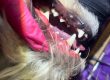
There are several reasons why a dog may develop bad breath, but one of the most common causes we see is plaque buildup.
Plaque is a sticky film that naturally forms on teeth throughout the day. Without regular brushing, plaque can continue to accumulate and become more noticeable. Food particles and debris can also become trapped around the teeth, contributing to unpleasant odours.
Another common factor is a lack of consistent brushing. Many pet owners know they should brush their dog’s teeth but struggle to make it part of their routine. Life gets busy, and dental care can easily move down the priority list.
However, just like people, dogs benefit from regular brushing. A few minutes of brushing several times a week can make a noticeable difference in helping maintain cleaner teeth.
Food habits can also play a role. Dogs naturally explore their environment with their mouths, and some pets are more likely than others to chew or eat things they find outside. While this is a normal part of being a dog, regular dental care is still important.
Another common misconception is that dental treats alone will solve bad breath. Dental chews can be a nice addition to a pet’s routine, but they should not replace brushing. Many owners are surprised when their dog still has noticeable buildup despite receiving dental treats every day.
Is Bad Breath Normal for Dogs?
This is one of the most common questions pet owners ask.
The answer is that while dogs may not have fresh-smelling breath, persistent or worsening bad breath should not simply be ignored.
A helpful comparison is to think about humans. If someone suddenly developed noticeably different breath, most people would assume there was a reason behind it. The same idea applies to pets.
Dogs are different from humans in many ways, but their teeth still benefit from regular care and maintenance. Brushing helps remove plaque before it has the opportunity to build up, which is why starting a routine early is so important.
Why Brushing Makes Such a Difference
One of the biggest things our team notices is the difference between dogs who receive regular brushing at home and those who do not.
Many of our clients return for repeat cosmetic teeth cleanings, and we can often see the impact of their at-home routine. Dogs whose owners consistently brush their teeth typically return with less plaque buildup and healthier-looking gums compared to their previous appointments.
Of course, brushing does not mean a dog’s teeth will stay completely free of plaque forever. That is not a realistic expectation. Plaque naturally forms, and every dog is different.
The goal of brushing is maintenance.
It helps slow buildup and allows pet owners to stay ahead of changes instead of waiting until there is a larger amount of plaque to address.
For the best results, we recommend using an enzymatic toothpaste made specifically for pets. Enzymatic toothpaste can help break down plaque and is designed for use with animals.
Why Water Additives Are Not a Replacement for Brushing
Another product we commonly hear about is water additives marketed to help with fresh breath.
While these products may be something some owners choose to include in their pet’s routine, they should not replace brushing.
A good comparison is human dental care. Using mouthwash or chewing gum may temporarily improve breath, but it does not replace brushing your teeth. The same concept applies to pets.
Brushing is important because it physically helps remove plaque from the teeth. Products like water additives and dental treats can be considered additions to a routine, but they should not be the only method of care.
Are Certain Dogs More Likely to Have Bad Breath?
While every dog is different, some patterns are commonly seen.
Small breeds often tend to develop plaque buildup more quickly compared to larger breeds. Older dogs can also experience faster returning buildup, which makes regular monitoring and home care even more important.
However, bad breath is not limited to a specific breed or age group. Any dog can benefit from a consistent dental care routine.
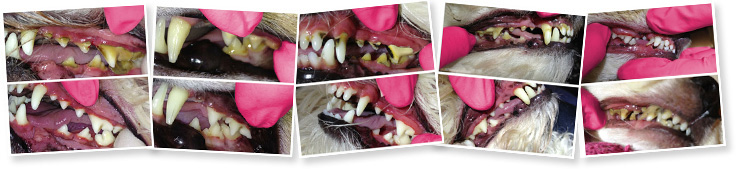
At Dashing Dogs Dental, we keep notes and photos from appointments so owners can see changes over time. This allows us to compare previous visits and help owners understand how their pet’s teeth have changed.
Many clients are surprised when they look back at their dog’s first appointment photos and compare them to later visits after adding regular brushing at home. Seeing the difference can be a great reminder that small habits really do matter.
 What Can Pet Owners Do at Home?
The most important step is simple:
Brush your dog’s teeth.
We recommend using a pet-safe enzymatic toothpaste and making brushing part of your regular routine.
If your dog is not comfortable with brushing right away, start slowly. Allow them to taste the toothpaste, get comfortable with having their mouth handled, and gradually introduce the toothbrush.
Some dogs accept brushing immediately, while others need more time. The goal is to create a positive routine that your pet can become comfortable with.
In addition to brushing, regularly checking your dog’s teeth can help you notice changes early. Look for changes in plaque buildup, redness around the gums, or anything that looks different from your pet’s normal.
When Should You Speak With Your Veterinarian?
Dashing Dogs Dental provides cosmetic teeth cleaning services and focuses on helping maintain cleaner teeth through professional cleaning and at-home care education.
However, there are some changes that should be discussed with your veterinarian.
If your dog has noticeable changes such as difficulty eating, significant discomfort around their mouth, or mobile teeth, it is important to seek veterinary guidance. These signs may indicate that there is something happening that requires a veterinarian’s assessment.
As a pet owner, you know your dog better than anyone. If something seems different from their normal behaviour, it is always worth having the conversation with your veterinary team.
The Biggest Takeaway: Start Brushing Before There Is a Problem
The best time to start a dental care routine is before you notice bad breath or visible plaque buildup.
Many pet owners wait until they can see a problem before taking action, but prevention is much easier than trying to catch up later.
Your dog’s teeth need regular care just like your own. Brushing does not have to be complicated, and it does not have to be perfect. Even brushing a few times a week can make a meaningful difference.
At Dashing Dogs Dental, we see the impact that consistent home care has every day. The dogs who receive regular brushing between appointments often return with cleaner teeth and less buildup compared to those who do not have an at-home routine.
A toothbrush, pet-safe enzymatic toothpaste, and a few minutes of your time can go a long way.
Your dog’s smile starts at home.