


Creating an at-home dental care routine for your pet does not have to be complicated. Many pet owners want to help maintain their pet’s teeth but are unsure where to start, how often they should be checking their pet’s mouth, or what signs they should be watching for.
The most important thing to remember is that prevention starts before you notice a problem. Waiting until there is visible plaque buildup or bad breath often means you are already trying to catch up. A simple routine of regular brushing, occasional mouth checks, and knowing what changes to look for can make a meaningful difference in your pet’s dental care between professional cleanings.

How to Introduce Toothbrushing Gradually
For many pets, brushing their teeth is a completely new experience. Some dogs will accept it right away, while others may need time to understand that it is just another part of their routine.
The key is to introduce brushing slowly and make it a positive experience.
Start by allowing your pet to become familiar with the toothpaste. Let them smell it, taste it, and associate it with something positive. Once they are comfortable with the toothpaste, begin gently touching their lips and mouth before introducing the toothbrush.
It is important not to rush the process. A few seconds of positive interaction is better than forcing a full brushing session that creates stress for both you and your pet.
Many pets need repetition before they become comfortable. Think of it like teaching a puppy any new skill. Consistency and patience are what help create a successful routine.
If your pet does not immediately cooperate, that does not mean brushing is impossible. Most pets can adjust with time, encouragement, and a gradual approach.
How Often Should You Check Your Pet’s Mouth?
Regular mouth checks are a great habit to add to your pet care routine.
Ideally, pet owners should take a quick look at their pet’s teeth and gums regularly. This does not need to be a long process. A simple check while your pet is relaxed can help you notice changes early.
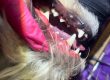
When checking your pet’s mouth, look for things that are different from what is normal for your pet. This can include visible plaque buildup, changes in gum appearance, or anything that looks unusual.
It is also helpful to become familiar with what your pet’s teeth normally look like. When you know what is normal, it becomes much easier to recognize when something has changed.
Regular checks are especially helpful because pets are very good at hiding discomfort. A pet may continue eating and acting normally even when something is bothering them.
What Returning Plaque May Look Like
Even with regular brushing, some plaque buildup is normal. The goal of at-home care is not necessarily to keep teeth completely free of plaque forever. The goal is to help slow buildup and maintain cleaner teeth between professional cleanings.
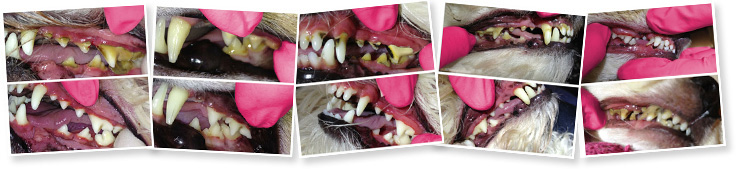
Plaque often appears as a soft, sticky film on the teeth. If it is not removed regularly, it can become more noticeable and harder to manage.
Some signs that plaque is returning may include:
- A yellow or brown buildup on the teeth.
- A noticeable coating along the teeth near the gumline.
- Increased buildup compared to previous checks.
Every pet is different, and some pets naturally accumulate buildup faster than others. This is why consistency matters. Regular brushing helps keep buildup under control and allows pet owners to stay ahead of changes.
When Does Bad Breath Deserve Attention?
Many people assume that bad breath is just part of having a dog.
And while pets do have a habit of eating things they should not, ongoing changes in their breath should not be ignored.
A dog’s breath may never smell like fresh mint, but a noticeable change in smell or a strong, persistent odor can be a sign that it is time to pay closer attention to their dental care.
A helpful comparison is to think about humans. If someone suddenly developed noticeably different breath, most people would consider that worth looking into. The same idea applies to pets.
Pay attention to changes from your pet’s normal. If their breath becomes significantly worse than usual, it may be time to speak with your veterinarian.
Signs That Should Be Discussed With a Veterinarian
At-home care is an important part of maintaining your pet’s teeth, but there are situations where veterinary guidance is recommended.
Pet owners should consider speaking with their veterinarian if they notice:
- A sudden change in eating habits.
- Difficulty chewing or dropping food.
- Changes in normal behavior.
- Increased sensitivity around the mouth or face.
- Bleeding from the gums.
- Swelling around the mouth.
- A sudden unwillingness to allow their mouth or face to be touched.
Every pet is unique, and owners know their pets best. If something seems different from your pet’s normal behavior, it is always worth discussing with a veterinary professional.
Building a Simple Home-Care Routine
The best dental routine is one that you can realistically maintain.
We recommend brushing with an enzymatic toothpaste made specifically for pets. Daily brushing is ideal, but if that is not possible, brushing several times a week can still provide valuable maintenance.
Some pet owners also choose to include additional products such as dental chews or supplements. These can be used as part of a larger routine, but they should not replace brushing.
The most important step is creating a habit that works for both you and your pet.

At-Home Dental Care Checklist
Use this simple checklist to help stay consistent with your pet’s dental care routine:
☐ Check your pet’s teeth and gums regularly.
☐ Brush your pet’s teeth using pet-safe enzymatic toothpaste.
☐ Introduce brushing slowly and reward positive behaviour.
☐ Monitor for changes in breath, eating habits, or behaviour.
☐ Keep track of plaque buildup and changes over time.
☐ Schedule professional dental cleanings as recommended.
☐ Contact your veterinarian if you notice concerning changes.
The Takeaway
At-home dental care does not need to be overwhelming. Small, consistent habits can make a big difference in helping maintain your pet’s teeth between professional cleanings.
Start slowly, be consistent, and remember that prevention is always easier than trying to catch up later.
Your pet’s dental routine does not have to be perfect. The most important thing is simply getting started.