



One of the most common questions we hear from senior dog owners is: “Is my dog too old for a non-anesthetic dental cleaning?”
The short answer is: not necessarily.
Age alone does not determine whether a dog is a good candidate for a non-anesthetic dental cleaning. We have worked with dogs from puppy age all the way up to 17 years old, and we have seen many senior dogs benefit from preventative dental care.
However, every senior dog is different. When it comes to older pets, the most important factor is not the number of candles on their birthday cake—it is their overall health, comfort, temperament, and ability to safely participate in the service.
Senior Dogs Can Benefit From Non-Anesthetic Dental Cleaning
Many senior dog owners are understandably hesitant about anesthesia. As dogs age, owners often become more cautious about any procedure that involves sedation, especially if their pet has existing health concerns.
This is one reason non-anesthetic dental cleaning can be an appealing option for some senior pets.
Our professional no sedation dog and cat teeth cleaning service focuses on preventative care by removing plaque, tartar, and calculus from the tooth surfaces, including just beneath the gum-line, without the use of anesthetic or sedation.
For the right candidate, this can be a lower-risk option that helps maintain oral hygiene and support dental wellness.
We have worked with many senior dogs who have successfully continued regular cleanings and maintained healthier mouths because their owners prioritized preventative care.
However, it is important to understand that senior dogs are not automatically candidates simply because anesthesia is not being used.
What Makes a Senior Dog a Good Candidate?
Before starting a cleaning, we consider several factors to determine whether the service is appropriate and comfortable for the pet.
Overall Health and Comfort
Senior dogs can have changing health needs. Some older pets are still active, comfortable, and able to tolerate handling, while others become more sensitive as they age.
A dog’s overall comfort level matters because our service requires them to remain still and comfortable for approximately 45 minutes.
Temperament and Cooperation
A non-anesthetic dental cleaning requires cooperation.
The dog needs to be comfortable with handling around their mouth and able to stay relatively calm throughout the process.
Some senior dogs become less tolerant of being touched or restrained as they age. This is something we also see in grooming. Some older dogs eventually become uncomfortable with grooming procedures because standing still, being handled, or being restrained becomes too stressful.
The same consideration applies to dental cleaning.
Condition of the Teeth and Gums
The condition of the mouth is another important factor.
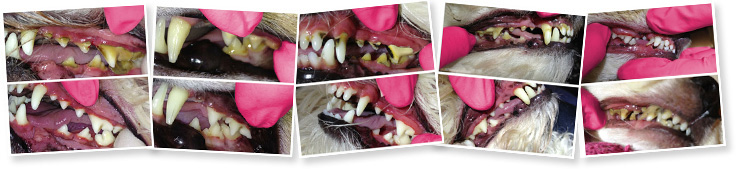
Senior dogs often have more staining, gum recession, and other age-related oral changes. While we can remove plaque and tartar buildup, our service does not reverse every dental issue that develops over a lifetime.
It is important to have realistic expectations.
A Common Misconception: “Can You Fix Years of Dental Neglect?”
One of the biggest misconceptions we encounter is that non-anesthetic dental cleaning can completely fix years of untreated dental problems.
We understand why owners hope for this. Many senior dog owners are trying to do what is best for their pet, especially if they are worried about anesthesia.
However, we are not miracle workers—and we are not veterinarians.
If a 15-year-old dog comes to us for the first time with years of dental buildup and no previous dental care, we will always do our best, but there are limitations to what can be achieved.
Advanced dental issues may require veterinary attention, including dental X-rays, extractions, or other treatment that we do not provide.
Our goal is to support preventative dental health, not replace veterinary dental care.
Why Starting Earlier Matters
One of the biggest recommendations we give senior dog owners is: do not wait until your dog is very old to start preventative dental care.
Many owners come to us when their dog is already in their senior years because they are trying to avoid anesthesia. While non-anesthetic cleaning can be a great option for appropriate pets, the results are often much better when dental maintenance starts earlier.
A dog who has received regular preventative cleanings throughout their life will typically have a different starting point than a dog who has never had dental care until they are 15 years old.
Prevention is much easier than trying to catch up after years of buildup.
When a Senior Dog May No Longer Be a Candidate
Just because a dog was a good candidate in the past does not mean they will always be one.
We have had senior dogs who were successfully cleaned for several years but eventually “aged out” of our service.
Some signs that a senior dog may no longer be comfortable or safe to work on include:
- Becoming increasingly anxious or panicked during handling
- Thrashing their head or body during the procedure
- Being unable to remain still
- Showing signs that the process is causing too much stress
Senior dogs can change quickly. A dog who comfortably completes a cleaning today may not be the same dog six months later.
This is why every appointment is evaluated individually.
 A Realistic Approach to Senior Dog Dental Care
For senior dogs, success does not always mean achieving a perfectly white smile.
Older pets may naturally have:
- Tooth staining
- Gum recession
- Age-related dental changes
The goal is to improve and maintain their oral health while keeping the experience safe and comfortable.
A realistic owner understands that non-anesthetic cleaning can be a valuable preventative tool, but it has limitations.
The Bottom Line: Is Your Senior Dog Too Old?
Your dog is not automatically too old for non-anesthetic dental cleaning.
Many senior dogs can benefit from this service, and we have worked with pets well into their later years. However, the decision should always be based on the individual dog not just their age.
Consider:
- Is your dog comfortable being handled?
- Can they remain still for the procedure?
- Are their dental concerns within the scope of preventative cleaning?
- Are your expectations realistic?
For the best results, start dental care before your dog reaches their senior years. And if you have a senior dog, remember that the priority is always their comfort, safety, and quality of life.
Our goal is to care for your pet like our own while helping you make informed decisions about their dental health at every stage of life.