



Most pet owners know that taking care of their pet’s teeth is important, but many don’t realize how much of a difference simple at-home care can make. In fact, one of the biggest mistakes pet owners make is waiting until they notice visible plaque or bad breath before starting a dental routine.
The best time to begin caring for your pet’s teeth is before problems become noticeable. Just like people, pets benefit most from consistent maintenance rather than trying to catch up after buildup has already occurred. A few minutes of brushing each week can make a significant difference in helping keep your pet’s teeth cleaner between professional cleanings.
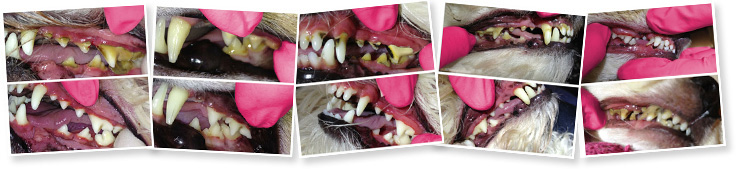
At Dashing Dogs Dental, our team works with pets every day and has seen firsthand how much home care can impact the condition of a pet’s teeth. Pets whose owners regularly brush at home often have noticeably less plaque buildup compared to pets who receive little or no brushing between appointments. While some plaque buildup is normal, consistent brushing can help maintain cleaner teeth and support a healthier-looking mouth.
Why Brushing Matters
When it comes to at-home dental care, brushing is one of the most effective habits pet owners can create. We recommend using an enzymatic toothpaste specifically designed for pets and brushing as often as possible, ideally every day.
That being said, we understand that daily brushing is not always realistic for every household. Life gets busy, pets have their own personalities, and routines can be difficult to maintain. The important thing is not to give up because you missed a day. Brushing a few times a week is still much better than not brushing at all.
Consistency is what makes the biggest difference.
Many pet owners wait until they can see plaque on their pet’s teeth before they start brushing. While this is understandable, brushing works best as a preventative routine. The goal is not to wait until buildup appears and then try to remove it. The goal is to help slow buildup before it becomes a bigger concern.

“My Pet Won’t Let Me Brush Their Teeth”
This is one of the most common concerns we hear from pet owners.
Many dogs are not immediately comfortable with having their mouths handled, and that is completely normal. Brushing is a new experience for many pets, and it can take time for them to adjust.
The key is patience and consistency.
Think about children learning to brush their teeth. They don’t always enjoy it at first, but over time it becomes part of their routine. Pets can learn the same way. Start slowly by allowing your pet to taste the toothpaste, gently touching their mouth, and rewarding positive behavior. With time and practice, many pets become much more comfortable with the process.
The goal is not perfection on the first attempt. The goal is creating a routine your pet can accept.
Are Dental Chews Enough?
Dental chews can be a popular addition to a pet’s routine, but they should not be considered a replacement for brushing.
Our team regularly hears from pet owners who provide dental chews every day and assume that means their pet’s teeth are being properly maintained. While dental chews may have benefits, they do not provide the same level of care as regular brushing.
A simple comparison is brushing your own teeth. Using mouthwash or chewing gum may help freshen your breath, but it does not replace brushing. The same idea applies to products like dental chews and water additives for pets.
These products can be used alongside a dental routine, but brushing remains one of the most important steps pet owners can take at home.
Is Bad Breath Normal for Dogs?
Many people assume bad breath is just part of owning a dog.
And while pets certainly have a habit of eating things they shouldn’t, ongoing bad breath should not automatically be considered normal.
A dog’s breath may never smell like fresh mint, but noticeable or persistent changes in their breath can be a sign that their teeth need attention. Paying attention to changes in your pet’s normal habits is one of the best ways to stay ahead of potential concerns.
Common Myths About Pet Dental Care
One myth we often hear is that a dog’s mouth is cleaner than a human’s mouth.
While dogs may have different bacteria in their mouths compared to humans, their teeth still require regular care. Dogs use their mouths to explore the world, chew toys, pick up objects, and sometimes eat things that are… less than ideal. Just like people, they benefit from regular brushing and maintenance.
Another common misconception is that water additives alone can replace brushing. While these products may be a helpful addition to some routines, they should not be relied on as the primary method of keeping your pet’s teeth clean.
Products We Recommend
When it comes to products that support at-home dental care, we recommend keeping things simple.
A pet-safe enzymatic toothpaste and a toothbrush are the foundation of a good routine. We also recommend Plaque-Off as a supplement that many pet owners choose to include in their pet’s care routine.
However, the most important tool will always be consistency. No product can completely replace regular brushing.
When Should Your Pet’s Teeth Be Professionally Cleaned?
There are several signs that it may be time to schedule a professional cleaning for your pet.
Pet owners should pay attention to visible plaque buildup, redness around the gums, changes in eating habits, or changes in behaviour. For example, if a pet who normally allows their face or mouth to be touched suddenly becomes uncomfortable with handling, it is worth paying attention to that change.
Every pet is different, and owners know their pets best. Any noticeable change in normal behaviour is worth discussing with a veterinary professional.
The Importance of Starting Early
One of the most difficult things our team sees is when pets have gone a long time without any at-home dental care. We understand that pet owners are busy and that routines can be difficult to maintain, but small habits can make a big difference over time.
Many pets continue eating and acting normally even when their teeth have significant buildup because animals are very good at hiding discomfort. This is why prevention and regular maintenance are so important.
Starting a brushing routine while your pet’s teeth are still clean is one of the best things you can do.
At-home dental care does not have to be complicated.
You do not have to be perfect. You do not have to brush every single day to make a difference. Even brushing a few times a week can help maintain cleaner teeth and improve your pet’s comfort between professional cleanings.
The most important thing is simply getting started.
A toothbrush, pet-safe enzymatic toothpaste, and a few minutes of your time can go a long way toward helping your pet maintain healthier teeth for years to come.