



Across Canada, pet ownership has evolved dramatically over the past decade. Dogs and cats are no longer just pets; they’re family members. With this shift has come a major change in how Canadians approach grooming and dental care.
Today, grooming is no longer viewed as a luxury service, and dental care is no longer optional. Instead, both are recognized as essential components of preventive pet health care. Canadian pet owners are investing more time, education, and resources into maintaining their pets’ coats, skin, teeth, and overall wellness.
Businesses like Dashing Dawgs Grooming & Boutique and Dashing Dogs Dental are seeing this shift firsthand; pet parents are more proactive, more informed, and more committed to long-term wellness than ever before.
Let’s explore why this change is happening and why it matters.

The Shift Toward Preventive Pet Care in Canada
Canadian veterinarians consistently emphasize preventive care as the foundation of long-term pet health. Preventive care includes:
- Regular veterinary checkups
- Vaccinations
- Parasite prevention
- Grooming maintenance
- Dental hygiene
According to the Canadian Veterinary Medical Association (CVMA), preventive health programs significantly improve pet longevity and quality of life. Pets today are living longer than ever before, and that longevity requires consistent grooming and oral care.
Modern Canadian pet owners understand that prevention is less expensive — and far less stressful than treating advanced disease.
Why Grooming Is Now Considered Essential Health Care
1. Grooming Prevents Skin Disease
Regular brushing and bathing remove dirt, allergens, dead hair, and debris that can lead to skin infections. In Canada, where pets face harsh winters, road salt, dry indoor heating, and humid summers, coat care is especially important.
The American Veterinary Medical Association (AVMA) notes that proper grooming helps maintain healthy skin and can reduce the risk of infections and irritation.
At Dashing Dawgs Grooming & Boutique, grooming is not just about appearance, it is part of a wellness routine that supports coat integrity and comfort year-round.
- Early Detection of Health Problems
Professional groomers are often among the first to notice:
- Lumps or unusual swelling
- Parasites such as fleas or ticks
- Skin redness or hot spots
- Ear inflammation
- Nail overgrowth
- Dental abnormalities
Because grooming involves hands-on contact with the entire body, it becomes an opportunity for early detection often before symptoms become severe.
The American Animal Hospital Association (AAHA) emphasizes that early detection improves treatment outcomes and reduces complications.
- Seasonal Grooming Is Critical in Canada
Canada’s climate presents unique grooming challenges:
Winter:
- Salt exposure damages paw pads
- Dry air causes flaky skin
- Snow and ice create matting
Spring:
- Heavy shedding season
- Increased allergens
- Mud and moisture buildup
Summer:
- Hot spots
- Parasite exposure
- Increased outdoor debris
Fall:
- Coat transition shedding
- Preparing for winter coat growth
Because of these seasonal shifts, Canadian pet owners are booking grooming appointments more consistently throughout the year, not just before holidays.
The Growing Awareness of Pet Dental Disease
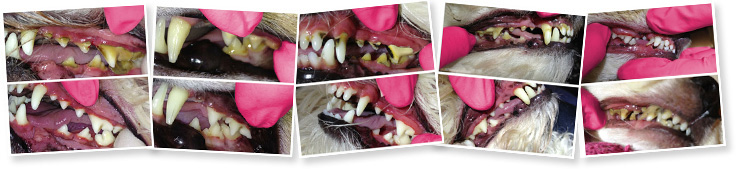
One of the biggest reasons Canadian pet owners are taking dental care more seriously is increased awareness of periodontal disease.
According to the AVMA, by age three:
- Over 80% of dogs
- Over 70% of cats
show signs of dental disease.
That statistic alone has changed how pet owners think about oral hygiene.
Why Dental Health Impacts the Whole Body
Dental disease is not just about bad breath.
The Cornell University College of Veterinary Medicine explains that bacteria from inflamed gums can enter the bloodstream and potentially affect:
- Heart
- Kidneys
- Liver
Untreated periodontal disease can cause chronic pain, infection, and tooth loss — even if a pet continues eating normally.
This growing awareness has led more Canadians to schedule dental consultations and professional cleanings.
Daily Brushing: A Major Cultural Shift
In the past, very few pet owners brushed their dog’s or cat’s teeth.
Today, veterinarians recommend:
- Daily brushing (ideal)
- At least 3–5 times per week (minimum for plaque control)
The Veterinary Oral Health Council (VOHC) confirms that mechanical plaque removal through brushing significantly reduces tartar buildup and the risk of periodontal disease.
Pet parents who work with Dashing Dogs Dental are learning how to:
- Introduce brushing gradually
- Use pet-safe toothpaste
- Recognize early signs of oral disease
- Maintain oral hygiene between professional cleanings
This shift toward daily dental care is one of the most significant changes in Canadian pet health culture.
Why Professional Dental Cleanings Are Increasing
At-home brushing is essential, but it cannot remove tartar below the gum line.
Professional dental cleanings:
- Remove hardened tartar
- Clean below the gum line
- Include oral examinations
- Identify fractured or infected teeth
- Prevent advanced periodontal disease
Veterinary guidelines typically recommend annual dental exams, with cleanings as advised by a veterinarian.
More Canadian pet owners now understand that skipping dental cleanings can lead to:
- Expensive emergency procedures
- Tooth extractions
- Systemic infections
- Chronic pain
Grooming + Dental Care = A Holistic Approach
One reason grooming and dental care are now linked in pet owners’ minds is that both focus on preventive wellness.
At Dashing Dawgs Grooming & Boutique, routine grooming includes monitoring skin, ears, coat condition, and overall health indicators.
At Dashing Dogs Dental, oral hygiene education and professional dental service ensure pets maintain healthy gums and teeth.
Together, these services reflect a broader Canadian trend: treating grooming and dental care as part of an integrated health plan, not separate services.
The Humanization of Pets in Canada
Another key factor driving this trend is emotional.
Canadian pet owners increasingly view their pets as full family members. With this emotional connection comes:
- Higher expectations for care
- Greater willingness to invest in preventive services
- Increased demand for high-quality grooming and dental providers
As pets live longer — often 12–18+ years — preventive care becomes essential for maintaining quality of life.
Social Media and Education Influence
Education plays a major role in the shift.
Pet owners now see:
- Before-and-after grooming transformations
- Dental disease awareness campaigns
- Vet educational content
- Real stories of preventable dental emergencies
This access to information encourages proactive behavior instead of reactive treatment.
The Cost Factor: Prevention Saves Money
Many Canadian pet parents now recognize that preventive grooming and dental care:
- Reduce emergency vet visits
- Prevent costly extractions
- Lower long-term medical expenses
- Improve comfort and mobility
Preventive care is significantly more affordable than advanced dental surgery or skin infection treatment.
Signs Canadian Pet Owners Are Taking It Seriously
You can see the behavior change:
- More regular grooming appointments
- Increased demand for dental consultations
- Growth in at-home brushing tools
- More conversations about preventive care
- Higher awareness of oral disease signs
Pet parents are no longer waiting for visible problems — they are acting before issues develop.
When to Seek Immediate Care
While grooming and dental routines prevent most issues, pet owners should contact a veterinarian if they notice:
- Bleeding gums
- Severe bad breath
- Broken or loose teeth
- Persistent drooling
- Swelling around the mouth
- Sudden hair loss patches
- Open sores
- Limping due to overgrown nails
Early intervention prevents more serious complications.
A Healthier Future for Canadian Pets
Canadian pet owners are raising the bar.
Grooming and dental care are no longer considered optional extras; they are foundational components of preventive health.
With trusted services like Dashing Dawgs Grooming & Boutique and Dashing Dogs Dental, pet parents have access to professional support that keeps dogs and cats healthier, more comfortable, and living longer lives.
Preventive grooming and dental hygiene are investments in:
- Comfort
- Longevity
- Quality of life
- Reduced medical risk
- Overall wellness
And that’s why Canadian pet owners are taking them more seriously than ever.
Authoritative References
Canadian Veterinary Medical Association (CVMA)
https://www.canadianveterinarians.net
American Veterinary Medical Association (AVMA) – Oral Health & Dental Care
https://www.avma.org/resources/pet-owners/petcare/oral-health-and-dental-care
Cornell University College of Veterinary Medicine – Dental Disease
https://www.vet.cornell.edu/departments-centers-and-institutes/cornell-feline-health-center/health-information/dental-disease
Veterinary Oral Health Council (VOHC)
https://vohc.org
American Animal Hospital Association (AAHA)
https://www.aaha.org