




Road trips with dogs can be some of the best memories you’ll ever make. However, they can also turn chaotic fast. A stressed dog can whine, pace, drool, or refuse to settle. Meanwhile, a distracted driver is never a good mix.
The good news is simple. Most travel problems are preventable. With the right setup, your dog can ride calmly and safely. Even better, the trip becomes fun for both of you.
 Start With a Calm Pre-Trip Routine
A stress-free drive starts before you even touch the keys. Dogs pick up energy quickly. Therefore, a rushed morning can trigger anxious behavior.
Feed your dog earlier than usual. Give them time to digest. Then, take a long walk before departure. That walk reduces nervous energy. It also makes it easier for your dog to rest in the car.
If your dog has high energy, play a quick game before leaving. A few minutes of tug or fetch helps a lot.
Choose the Safest Travel Setup
For added safety, the American Veterinary Medical Association (AVMA) recommends securing pets with a crate or restraint system during travel.
A loose dog in a moving car is risky. Sudden stops can cause injuries. Also, dogs can distract drivers easily.
A safe setup protects everyone. It also helps your dog feel secure.
Most owners choose one of these options:
- Crash-tested dog harness attached to a seatbelt
- Travel crate secured in the vehicle
- Dog car seat for smaller dogs
Each option creates boundaries. Those boundaries reduce pacing and anxiety.
Pack a Dog Road Trip Bag
Dogs do better when familiar items are nearby. Therefore, pack a bag that supports comfort and routine.
Bring water and a spill-proof bowl. Add a few treats for positive reinforcement. Pack waste bags, wipes, and a towel. Also, bring your dog’s leash and backup collar.
Most importantly, bring one familiar blanket or bed. A familiar scent reduces stress fast.
Plan Stops Like a Pro
Many dogs struggle when trips feel endless. Therefore, regular breaks matter.
Stop every two to three hours. Let your dog stretch and sniff. Give them a small drink. Keep the break calm, not overly exciting.
Avoid feeding a full meal during travel. Large meals can cause nausea. Instead, offer light snacks if needed.
Keep the Car Comfortable
Temperature and airflow matter more than people realize. Dogs can overheat quickly. Therefore, keep the car cool and well-ventilated.
Avoid blasting music. Loud sounds can overstimulate dogs. Instead, keep the environment quiet.
Also, never let your dog hang their head out the window. It looks fun, yet debris can damage eyes and ears.
Prevent Car Anxiety With Positive Associations
If your dog only rides in the car for vet visits, they may panic. Therefore, build positive associations before your road trip.
Start with short drives to fun places. Reward calm behavior with praise and treats. Keep early trips short and relaxed.
Over time, your dog learns the car is not scary. This training makes long trips much easier.
Handle Motion Sickness the Right Way
Some dogs get motion sickness. Common signs include drooling, whining, yawning, and vomiting.
If your dog struggles, avoid feeding right before travel. Provide airflow and keep the ride smooth. Also, limit sharp turns and sudden braking.
If symptoms continue, a pet professional may offer suggestions. However, do not guess with human medications.
Choose Dog-Friendly Destinations
Not all locations welcome dogs. Therefore, plan.
Look for dog-friendly hotels and parks. Choose rest stops with safe walking areas. Also, check local leash rules.
The best road trips include planned dog time. When dogs get exercise and enrichment, they behave better in the car.
Make Travel Days Easier With Grooming
Clean pets travel better. Grooming reduces odor, shedding, and discomfort. It also helps dogs feel calmer during long rides.
A fresh bath and brush-out before a road trip prevents tangles. It also keeps your car cleaner. Additionally, trimmed nails improve comfort on new surfaces.
If you want your dog road-trip ready, professional grooming is a smart step.
Dental Comfort Matters on the Road Too
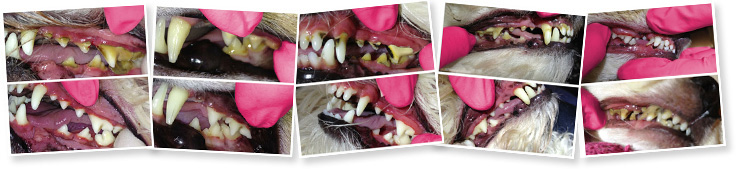
Dental discomfort can affect behavior. Some dogs become irritable or restless when their mouth feels sore. Therefore, oral comfort matters before long trips.
If your dog avoids chew toys or seems sensitive, a professional dental cleaning service may help. Many owners prefer gentle, non-sedation options when available.
A comfortable dog relaxes more easily. That helps the entire travel experience.

Bring the Right Toys for the Ride
Not every toy belongs in the car. Choose toys that are quiet, safe, and easy to manage.
Soft chew toys can help anxious dogs settle. Avoid squeaky toys if they cause excitement. Also, avoid toys that roll under seats.
Treat-dispensing toys can work well for long rides. However, use them carefully to prevent a mess.
Arrive Calm, Not Overstimulated
Once you arrive, your dog will likely be excited. Still, keep the first moments calm.
Let them potty first. Then, allow a short walk. After that, set up their bed and water. A familiar routine helps them adjust quickly.
Dogs settle faster when they know where their “safe space” is.
Road Trips With Dogs Can Be Easy
A stress-free road trip with dogs is not luck. It is preparation. When you plan, your dog feels safe. When your dog feels safe, the drive becomes enjoyable.
With the right setup, regular breaks, and comfort-focused care, every drive can feel fun instead of stressful.
Your dog doesn’t need perfection. They just need consistency, safety, and a calm human behind the wheel.